
The Real Cost of Chartering a School Bus: From Quotes to Final Bills
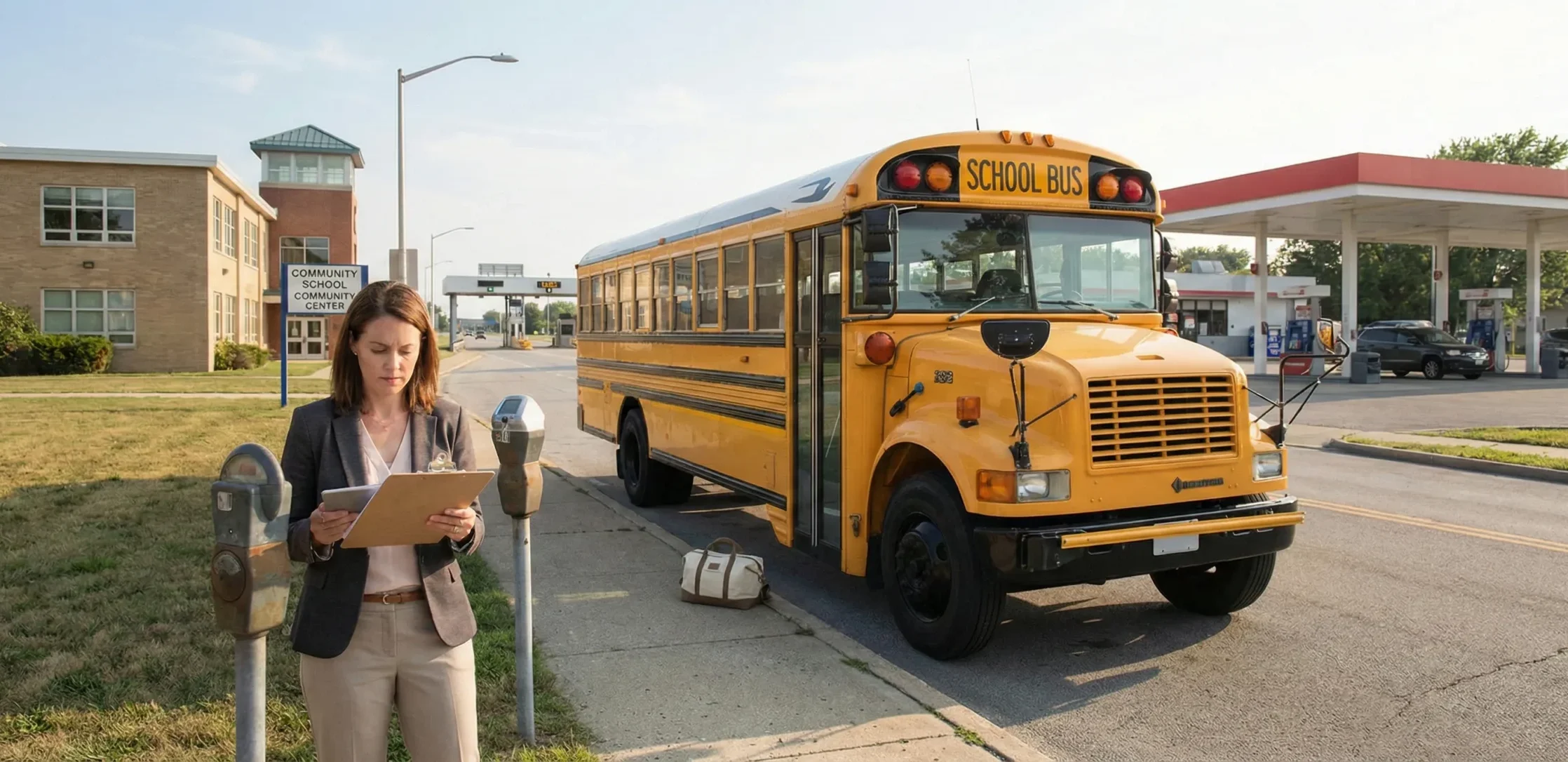
School bus charter costs typically range from $75 to $125 per hour or $300 to $700 per day.
Your group needs transportation, and a yellow school bus seems like a good choice. The price ranges might puzzle you though. Several factors determine these costs, and unexpected fees can catch you off guard.
Renting a school bus provides a cost-effective solution compared to luxury coach buses. The rates can be half of what you’d pay for a traditional coach bus. Longer trips often switch to distance-based pricing, with full-sized buses costing between $4.00 to $6.00 per mile.
Companies usually set a minimum booking time of 3-5 hours, which rules out quick hour-long rentals. Better rates and preferred vehicles become available through early reservations.
The various pricing factors might seem complex. This piece explains every element that affects your final cost, from extra charges to price variations by location. You’ll understand exactly what to expect from your rental quote after reading this guide.
Understanding the Base Cost of Renting a School Bus
The cost of renting a school bus changes based on different pricing structures. You’ll avoid surprise charges by knowing these pricing models upfront.
Typical hourly and daily rates
School buses are your most budget-friendly option among bus rentals. A standard school bus rental costs between $55 and $70 per hour, which is nowhere near as expensive as other options. Mini-buses cost $75 to $105 per hour, while executive mini-coaches start at $115 per hour.
Daily rates range from $300 to $700 when you need transportation for a full day. These rates give you better value on longer trips than hourly pricing. Many companies move to daily pricing models for multi-day trips.
Your specific needs determine the pricing structure:
- Hourly rates: Best for short trips within city limits
- Daily rates: Perfect for full-day excursions
- Per-mile rates: Common for longer trips between cities
Per-mile pricing makes sense for longer distances, especially when you have trips crossing city boundaries. Hourly and daily rates work well for local transport, but per-mile charges help companies cover fuel costs and vehicle wear on extended trips.
Charter bus prices change with bus type. Here are the average rates:
- Full-size charter buses: $130-$180 per hour or $1,200-$1,700 per day
- Minibuses: $110-$160 per hour or $1,100-$1,500 per day
These numbers show national averages. Your location might have higher or lower prices.
Minimum rental durations explained
Every school bus rental company sets minimum rental durations. Companies need this to cover driver scheduling, prep time, and operating costs no matter how long you use the bus.
Most companies ask for a 5-hour minimum booking, though some might let you book for 3 hours in certain cases. You’ll pay for the minimum hours even if your event lasts just 2 hours.
Here’s how these minimums work in different situations:
- Short events: A 2-hour event still costs you 3-5 hours minimum, depending on company rules
- Multiple short trips: Companies usually count ongoing service toward the minimum
- Half-day events: These usually fit within minimum requirements
Driver regulations also affect these minimums. Federal rules limit drivers to 10 straight working hours before they need an 8-hour break. Longer trips need extra drivers, which adds to your costs.
Peak seasons (spring, summer, and holidays) often bring stricter minimums and higher rates. Buses become harder to find and more expensive during these busy times. You should book 3-4 months ahead to get better rates and ensure availability.
These base costs and minimums help you plan your transportation budget accurately. Remember that other factors can substantially affect your final price beyond these basic rates.
Key Factors That Affect School Bus Rental Prices
The cost of renting a yellow bus for your next event depends on several variables. You’ll get a better estimate of the total cost by understanding these key pricing elements beyond the standard rates.
Distance and duration of the trip
Trip length is one of the biggest factors determining your cost. Longer trips naturally cost more than shorter ones. More distance means more fuel and driver time.
Many charter companies switch from hourly to per-mile pricing for longer distances. This helps them cover fuel costs and vehicle wear on extended trips.
Your final bill goes up with each additional stop in your itinerary. Drivers earn pay not just for driving but for all on-duty time, including stops between destinations.
Here’s what you should think about for longer trips:
- Your driver might need overnight accommodation
- Driver breaks must follow federal regulations (limited to 10 consecutive working hours)
- Extra mileage charges may apply beyond the base rate
The base fee usually comes with a set number of miles. You’ll pay more once you go over this limit. Events needing lots of mileage or continuous shuttling between locations (like parking lots to venues) cost more.
Location and regional pricing differences
Where you start and end your trip plays a vital role in determining rental prices. Metropolitan areas tend to have more buses available than rural locations, which can affect your costs.
Prices vary across North America. First Charter’s rates start at $85 USD in the United States and $100 CAD in Canada. Local market conditions, driver availability, and operating costs create these differences.
Several city-specific elements affect pricing:
- Local traffic patterns and expected travel times
- How close maintenance facilities are
- Distance between the bus depot and your pickup spot
- Local rules and permit requirements
Companies might add fees to cover getting the bus to your location, depending on pickup and drop-off points. You might see extra charges in urban areas with high parking fees or special access requirements.
Time of year and day of the week
School bus rental prices, like many services, change with seasonal demand. You can find better deals by booking at the right time.
Busy seasons typically include:
- Spring and fall (field trip season)
- Summer months (especially up north)
- Holidays and weekends
Prices rise during these high-demand times because fewer vehicles are available. You’ll find better rates during off-season periods. Booking your bus at least two months ahead gives you the best price.
Your chosen day matters too. Weekend rentals cost more than weekday bookings. Moving your event to Tuesday through Thursday could save you money if your schedule is flexible.
Time of day affects pricing, particularly for late-night service. Evening events or parties might incur special cleaning fees. Late-hour service often costs more due to driver overtime.
These three main factors – distance/duration, location, and timing – help you estimate costs accurately and possibly negotiate better rates for your next school bus rental.
Hourly vs. Per-Mile Pricing Models
Bus companies charge in two main ways: by the hour or by the mile. You can anticipate costs and avoid surprises on your final bill by understanding which model applies to your trip.
When hourly pricing applies
Shorter trips within city limits or metropolitan areas use hourly pricing. A bus rental for local transportation costs between $100 and $200 per hour. This model works best for:
- Field trips to nearby museums or parks
- Wedding shuttles between venues
- Corporate events within the same city
- Sporting events with local travel
Bus rental companies require a minimum booking period of 4-5 hours. Some providers offer flexible options with minimums of 2-4 hours. You’ll still pay for the minimum required time even if your event lasts just 90 minutes.
Timing affects hourly rates. Weekend bookings cost more than weekday rentals, and Friday through Sunday are premium days. Evening rentals also have higher rates because they happen during peak times.
When per-mile pricing is used
Per-mile pricing replaces hourly rates for longer trips that cross city boundaries or last multiple days. These extended trips usually cost between $4 and $8 per mile.
Per-mile pricing becomes standard for:
- Multi-day field trips or tournaments
- Long-distance travel between cities
- Extended corporate retreats or conferences
- Any trip that needs lots of highway miles
Many companies use a mixed approach for day-long events. They might set a daily rate ($300-$700) instead of strict hourly or mileage-based pricing. This flat-rate system makes billing simpler for mid-range trips.
Trip length isn’t the only factor in choosing a pricing model. Daily pricing often works better than hourly or mileage rates if your group needs local transportation over several days, like during a multi-day festival.
How to estimate your total cost
You need to know which pricing model fits your situation to calculate the expected school bus rental cost. Here’s how to estimate costs for each model:
For hourly pricing:
- Determine your required hours (remember minimum requirements)
- Multiply by the hourly rate ($100-$200)
- Add extra for premium days/times if applicable
For mileage-based pricing:
- Calculate your total round-trip distance
- Multiply by the per-mile rate ($4-$8)
- Factor in any overnight stays if necessary
You’ll face charges for extra mileage beyond your original plan, even after paying in full. It’s smart to add a small buffer to your budget for unexpected route changes or detours.
School districts use a more complex formula to calculate their transportation costs. A detailed cost-per-mile calculation has six key factors: vehicle depreciation, insurance, fuel, maintenance and repairs, administrative costs, and training.
Ask these questions to get clear cost information upfront:
- “Is there a minimum rental duration?”
- “Will I be charged hourly or by mileage?”
- “What’s included in the base price versus additional fees?”
- “Are tolls and parking included or extra?”
Booking 3-4 weeks ahead gives you better rates and more bus options. Early booking also helps you avoid the premium charges that often come with last-minute transportation services.
Additional Fees You Might Not Expect
School bus charter base rates don’t tell the whole story. Your final bill might include several unexpected charges that could add hundreds of dollars to your total. Let’s get into these hidden costs that often surprise first-time renters.
Tolls and parking permits
The bus driver won’t carry cash for tolls or parking – you’ll need to cover these expenses as the customer. Charter companies usually leave these costs out of their original quotes, which can throw off your budget.
A simple question can save you money: “Are tolls and parking included in my quote?” Many first-time renters miss this detail and end up with surprise charges.
Parking costs pile up fast, especially for multi-day trips or city destinations. Major cities charge premium rates for bus parking, sometimes reaching $100+ daily. You should contact venues on your itinerary ahead of time to confirm motor coach parking availability and fees.
Toll roads bring additional expenses. These charges depend on:
- Vehicle size and axle count
- Time of day (some tolls use congestion pricing)
- Electronic toll collection versus cash payment
It’s crucial to check your route for toll roads before setting your final budget. Most bus companies want payment for these expenses right away or will add them to your final invoice.
Driver lodging and meals
You must handle your driver’s hotel accommodations for overnight trips. Federal regulations require drivers to take an 8-hour break after 10 consecutive hours of driving. This isn’t optional – it’s required by law.
Here’s what you should know about booking driver accommodations:
- Book rooms at your group’s hotel to make pickups easier
- Choose hotels rated 3-stars or better
- Check for driver discounts with group bookings
Meal responsibilities vary by company policy and trip length. Professional drivers can deduct 80% of their meal expenses or claim the special standard meal allowance – $69 per full day within the US as of 2023 for multi-day trips.
Driver meal costs typically work in two ways:
- You pay for them directly
- They’re built into your charter rate
Make sure to clarify meal arrangements during booking. Some companies include these costs in their quotes, while others expect separate handling.
Safety regulations require an additional driver if your trip exceeds 10 consecutive driving hours. This could increase your cost by several hundred dollars.
Cleaning and standby charges
You’ll face a cleaning fee – usually around $250 – if your group leaves the bus too messy. The bus company expects you to return the vehicle in decent shape.
Simple cleaning rules include:
- Take all your belongings
- Put trash in proper bins
- Tell the driver about any spills right away
Service-related fees might show up too. Every charter bus trip needs mandatory pre and post-trip safety inspections. These 15-minute checks of mechanical systems and vehicle cleaning add to your billable time.
The meter runs even when drivers wait during your event through standby charges. Your trip time starts when the driver leaves the yard and ends upon return – not just your actual travel hours.
Going over schedule costs extra. You’ll pay for any additional time if your event runs long. It’s smart to add buffer time to your schedule for unexpected delays.
Note that minimum charges apply no matter how long you use the bus. Companies typically bill only for actual usage after meeting this minimum. This often makes longer rentals more cost-effective per hour.
Knowing these extra fees helps avoid surprises on your final bill. Get clear answers about potential extra charges before you sign that rental agreement.
How Bus Type and Size Impact the Final Price
Your choice of bus size can make a big difference to your transportation budget. The cost difference between a standard school bus and smaller options can reach hundreds of dollars per day. Here’s how your vehicle choice affects what you’ll pay.
Standard school bus vs. mini bus
Standard yellow school buses are the most budget-friendly option when moving large groups. These iconic vehicles usually cost between $55 and $70 per hour, which is nowhere near what other bus types cost. Minibuses cost $75 to $105 hourly, and they make up for their smaller size with better comfort.
The price gap becomes clearer with daily rentals:
- Standard school bus: $300-$700 per day
- 25-passenger minibus: $950 per day
- 28-passenger minibus: $990 per day
These price differences come from how each bus operates. School buses are great at streamlining transportation. They focus on carrying more passengers rather than luxury features, which makes them ideal for groups on a budget and shorter trips. Minibuses strike a balance between how many people they can carry and comfort level.
Passenger capacity and cost efficiency
The number of passengers plays a huge role in your final cost. A standard school bus can fit about 72 children (three per seat) or 48 adults (two per seat). This high capacity makes them a great deal when you look at the cost per person.
\Groups of 10-20 people might find a minibus rental enough. But groups of 30 or more will find standard school buses offer the best value per seat-mile. A 40-passenger school bus costs about $950 per day for a trip from New York to Philadelphia, while a 56-passenger motor coach costs $1,300.
You’ll get the best value by filling as many seats as possible. Getting your headcount right helps you avoid paying for empty seats. Schools and community groups can save money by using this approach.
Special features and accessibility options
Extra features and accessibility options will bump up rental prices. School buses come with simple amenities focused on safety and getting from point A to point B.
School buses usually have:
- Forward-facing bench seating with minimal padding
- Limited legroom compared to charter options
- Simple ventilation systems
Modern school buses might offer extras like:
- Wi-Fi connectivity
- USB charging ports
- PA systems
- Air conditioning
These convenient features add to the base rental cost. Buses with air conditioning or extra storage space often cost more.
Accessibility features are another key price factor. Buses that accommodate students with disabilities cost more because they need special equipment. Wheelchair lifts, securement devices, and inclusive seating arrangements increase manufacturing costs, which shows up in rental prices.
The smartest way to save money is to match your bus type to what you actually need. Standard school buses give you the best deal for short trips with bigger groups where comfort isn’t the main concern. Notwithstanding that, smaller groups or trips needing specific features might find minibuses worth the extra cost for better comfort per person.
Real-World Examples of School Bus Rental Costs
Here are some actual pricing examples from bus rentals in different scenarios. These cases reflect typical costs you might expect, based on recent bookings.
Field trip in a suburban area
A Virginia middle school took their students on a full-day field trip to Washington D.C.’s Smithsonian museums and National Mall. Safety and cost were their top priorities, so they picked a standard school bus instead of a charter coach.
Here’s what they paid:
- School bus rental (10 hours at $135/hour): $1,350
- National Mall parking permit: $150
- Total cost: $1,500
Larger groups need bigger budgets. Reston High School took 86 seniors and six chaperones on a three-day trip to Washington D.C. They needed two 56-passenger buses to fit everyone and their luggage.
Their costs included:
- Two charter buses (three-day rate): $2,800
- Driver lodging (two nights at a 4-star hotel): $218
- Total cost: $3,018
School districts often use a per-mile formula to calculate field trip costs. Rural districts pay nowhere near what urban districts do – their cost per extra mile is ten times higher. Some districts pay $3.73 per mile for full service or $1.65 per mile with volunteer drivers.
Wedding shuttle in a metro city
Wedding transport prices change a lot by location. A San Francisco couple rented a 56-passenger coach for their Napa Valley wedding. The bus moved guests between venues throughout their big day:
- Charter bus rental (8 hours at $195/hour): $1,560
- Winery parking permit: $200
- Total cost: $1,760
First Charter’s wedding shuttle rates start at $85 USD or $100 CAD. School buses cost half as much as traditional coach buses for weddings.
Multi-day corporate event travel
Companies use different pricing models for extended travel. Daily rates apply when buses shuttle people between hotels and venues during multi-day events.
A Houston biotech firm shows a typical example. They set up a weekday employee shuttle between a park-and-ride lot and their office campus:
- Minibus rental (5 days at $900/day): $4,500
- Fuel surcharge: $250
- Total cost: $4,750
Interstate corporate trips use distance-based pricing. A 49-passenger motor coach from Dallas to Houston costs $1,765 for one day. An overnight stay pushes that to $3,562. Similarly, a New York to Philadelphia day trip runs $1,190, but doubles to $2,300 with an overnight stay.
These real-life examples show why knowing your needs matters. School buses offer the best value, costing half as much as coach buses in most cases. First-time renters should watch for extra costs like parking permits, driver lodging, and fuel surcharges that can make the final bill much higher.
Tips to Save on Your School Bus Rental
Smart planning can cut your school bus rental costs without compromising quality. These practical strategies will help keep your transportation budget under control.
Book early to lock in lower rates
Booking your bus months ahead gives you substantial financial benefits. Early reservations mean better rates and more vehicle choices. Prices can swing wildly during high-demand periods – booking 3-6 months ahead protects you from these increases.
You’ll get peace of mind with early booking. Last-minute transportation searches often leave you with less desirable options at higher prices. The math is simple – buses are limited, and once they’re booked, they’re gone.
Avoid peak seasons and weekends
Your timing makes a big difference in what you’ll pay. Fall gets expensive as schools plan field trips and companies organize employee retreats. Rates drop substantially during mid-winter and summer when students are away.
You’ll save money with weekday rentals, especially Tuesday through Thursday, compared to weekends. Moving your event to off-peak days can lead to impressive savings if your schedule is flexible.
Choose the right bus size for your group
Getting your exact headcount before booking prevents money waste on empty seats. This method cuts per-person costs, which helps budget-conscious organizations.
Minibuses might be more cost-effective for smaller groups of 10-20 people, despite higher hourly rates. The right vehicle size gives you the best value without paying for space you don’t use.
Plan efficient routes to reduce mileage
Each extra stop adds to your final bill. Note that drivers’ pay includes not just driving time but all on-duty hours, including wait times at stops. A streamlined itinerary without unnecessary detours saves money.
Route optimization is one of the best ways to cut costs. School districts that use AI-based route planning tools have seen their “highly utilized bus routes” increase by 46% through optimization. Some districts have cut transportation costs by up to 30% after using route planning software.
Here are more ways to save money:
- Combine multiple events into one trip instead of separate rentals
- Share transportation costs with organizations that have similar needs
- Use digital tools to find fuel-efficient routes
- Combine routes when possible
These practical strategies will help you get better rates while meeting your transportation needs.
How to Get an Accurate Quote and Avoid Surprises
Good preparation helps you get accurate school bus rental quotes. The right information upfront helps you avoid those shocking final bills that make your stomach drop.
Information to provide when requesting a quote
Your rental company needs complete details about your trip to give you a precise quote:
- Exact passenger count – An accurate headcount determines bus size and prevents paying for empty seats
- Complete itinerary – Google Maps can help you understand distances and drive times
- Trip timeline – Include departure time, arrival time, and duration at each location
- Special needs – List any accessibility requirements or equipment storage needs
Every detail affects your quote. A minibus might be more economical for smaller groups. You can compare prices easily since many companies now have online quote tools that give you pricing within 30 seconds.
Questions to ask your rental provider
These questions will help you learn what your payment covers:
“How is your pricing structured?” – Learn if pricing is hourly, daily, or per-mile
“What exactly is included in this quote?” – Some quotes include fuel, driver wages, and tolls; others don’t
“Are there charges for driver waiting time?” – Drivers get paid for drive time and on-duty time
“What additional fees might apply?” – Ask about cleaning fees, parking costs, or other potential extras
“What’s your booking process?” – Some companies require deposits and have specific cancelation policies
Reservation specialists are available 24/7 at many rental providers to answer questions. Call them if anything seems unclear.
Understanding what’s included in your quote
Major expenses appear in most quotes, but certain items might not be included. Standard inclusions:
- Driver’s base wages
- Fuel for standard routes
- Vehicle maintenance costs
Items often not included:
- Tolls and road fees
- Parking permits and costs
- Driver meals (for longer trips)
- Additional cleaning fees
- Extended waiting times
- Multiple stops (which can increase costs by a lot)
A detailed breakdown of covered items helps prevent surprises. Multiple stops can create delays when “stragglers” hold up the group, which adds to wait times and costs. Your best bet is to streamline the itinerary where possible.
Long trips need clarity about driver’s lodging costs – whether they’re included or separate. The booking process is simple – you secure your bus with a deposit after getting your quote.
Conclusion
School bus rentals are a practical and affordable way to transport groups for various activities. This piece breaks down all the factors that affect your costs – from base rates to hidden fees. You can now book your next rental with confidence.
Base prices range from $75 to $125 per hour or $300 to $700 per day. Your final cost depends on many variables. Distance, trip duration, location, and timing all play vital roles in determining costs. It also helps to know whether hourly or per-mile pricing applies to calculate expenses accurately.
Extra charges catch many first-time renters by surprise. Tolls, parking permits, driver accommodations, and cleaning fees can add hundreds to your total. You can avoid unexpected costs by planning these expenses ahead.
Booking early is the quickest way to save money. You’ll get lower rates and more vehicle options by reserving your bus 3-6 months ahead. Scheduling during off-peak seasons and weekdays can reduce costs by a lot. Your transportation budget stretches further when you pick the right bus size and plan efficient routes.
Ask detailed questions about what’s included in your quote before finalizing any reservation. Understanding exactly what you’re paying for helps compare offers from different providers better.
Note that school buses are the most economical option in any scenario, usually costing half as much as traditional coach buses. The iconic yellow school bus provides exceptional value for groups that prioritize affordability over luxury.
School bus charter pricing might seem complex at first, but it’s easier to understand when broken down into these components. Your next group transportation experience can run smoothly – both on the road and in your budget.
Key Takeaways
Understanding school bus rental costs helps you budget effectively and avoid surprise charges that can inflate your final bill by hundreds of dollars.
- School bus rentals cost $75-$125 per hour or $300-$700 daily, making them 50% cheaper than traditional coach buses for budget-conscious groups.
- Hidden fees like tolls, parking permits, driver lodging, and cleaning charges aren’t included in base quotes and can add $200-$500+ to your total cost.
- Book 3-6 months early and avoid weekends/peak seasons to secure lower rates and better vehicle availability for your group transportation needs.
- Choose the right bus size for your group – standard school buses seat 48-72 passengers and offer the best per-person value for larger groups.
- Ask detailed questions about pricing structure and included services when requesting quotes to understand whether you’ll pay hourly, daily, or per-mile rates.
- Plan efficient routes with minimal stops since drivers are paid for all on-duty time, including waiting periods, which can significantly increase your final bill.
The key to successful school bus rental lies in thorough planning and understanding all cost components upfront. By asking the right questions and booking strategically, you can secure reliable transportation while keeping expenses predictable and manageable.
FAQs
School bus rentals generally range from $75 to $125 per hour or $300 to $700 per day. These rates are usually about 50% cheaper than renting traditional coach buses.
The final price is influenced by factors such as trip distance and duration, location, time of year, day of the week, bus size, and additional fees like tolls, parking, and driver accommodations.
Yes, common hidden fees include tolls, parking permits, driver lodging for overnight trips, cleaning charges, and fees for extended waiting times. These can add hundreds of dollars to your final bill.
To save money, book early (3-6 months in advance), avoid peak seasons and weekends, choose the right bus size for your group, and plan efficient routes with minimal stops. Weekday rentals are often cheaper than weekend bookings.
When requesting a quote, provide the exact passenger count, complete itinerary with departure and arrival times, trip duration, and any special needs or equipment requirements. Also, ask about the pricing structure and what’s included in the quote to avoid surprises.